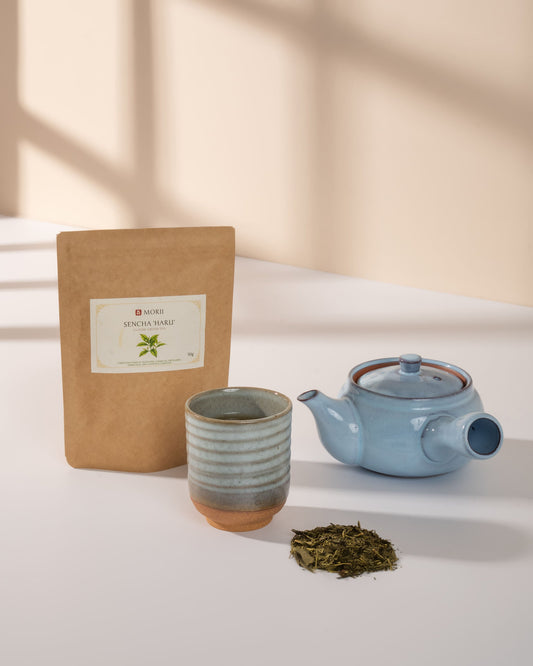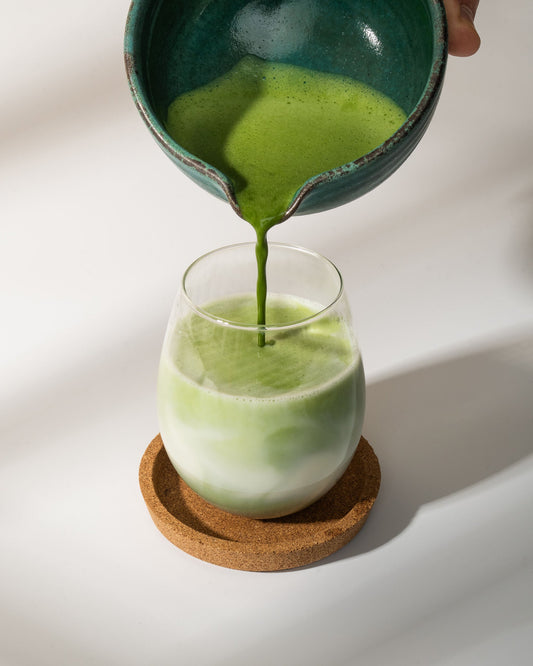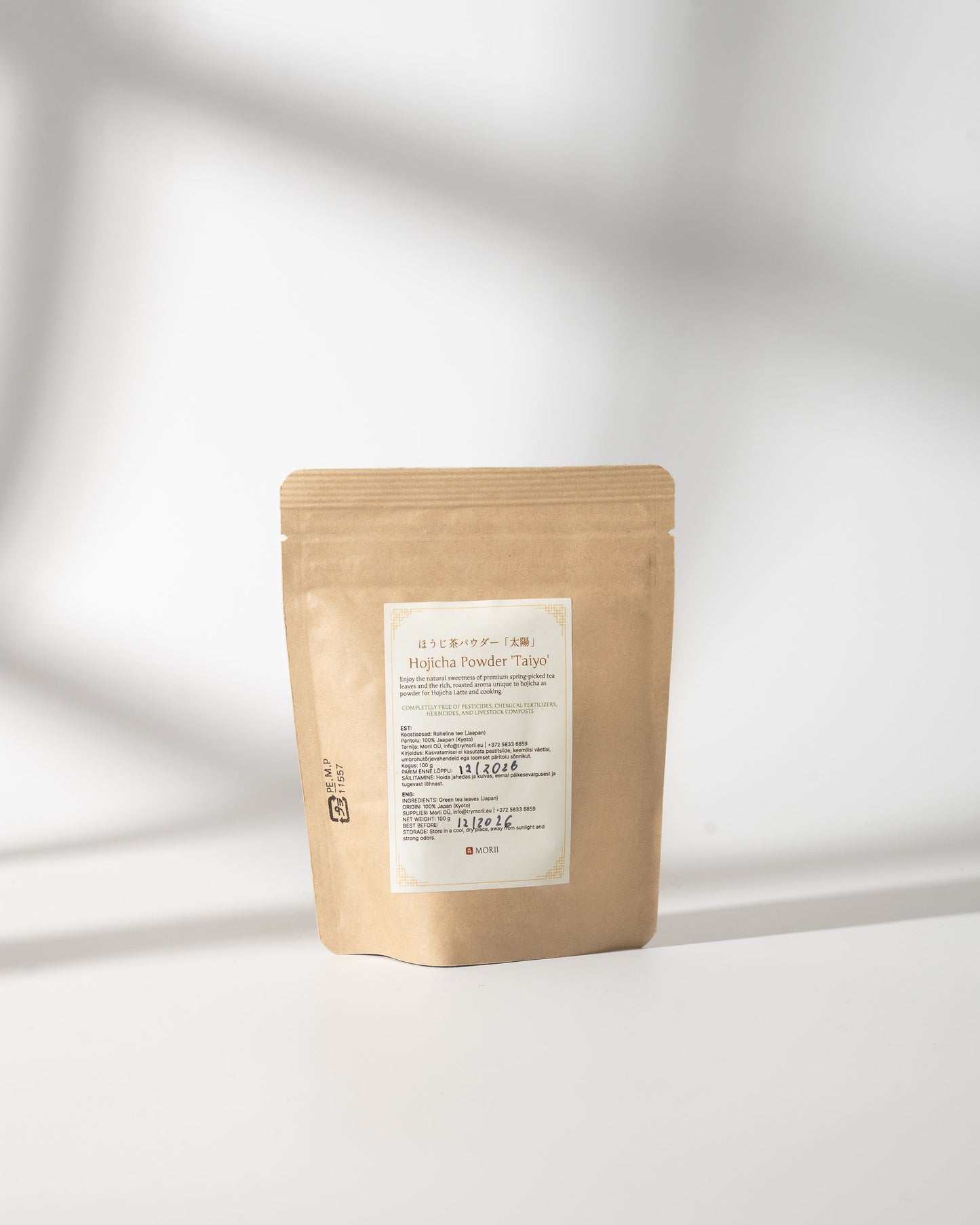

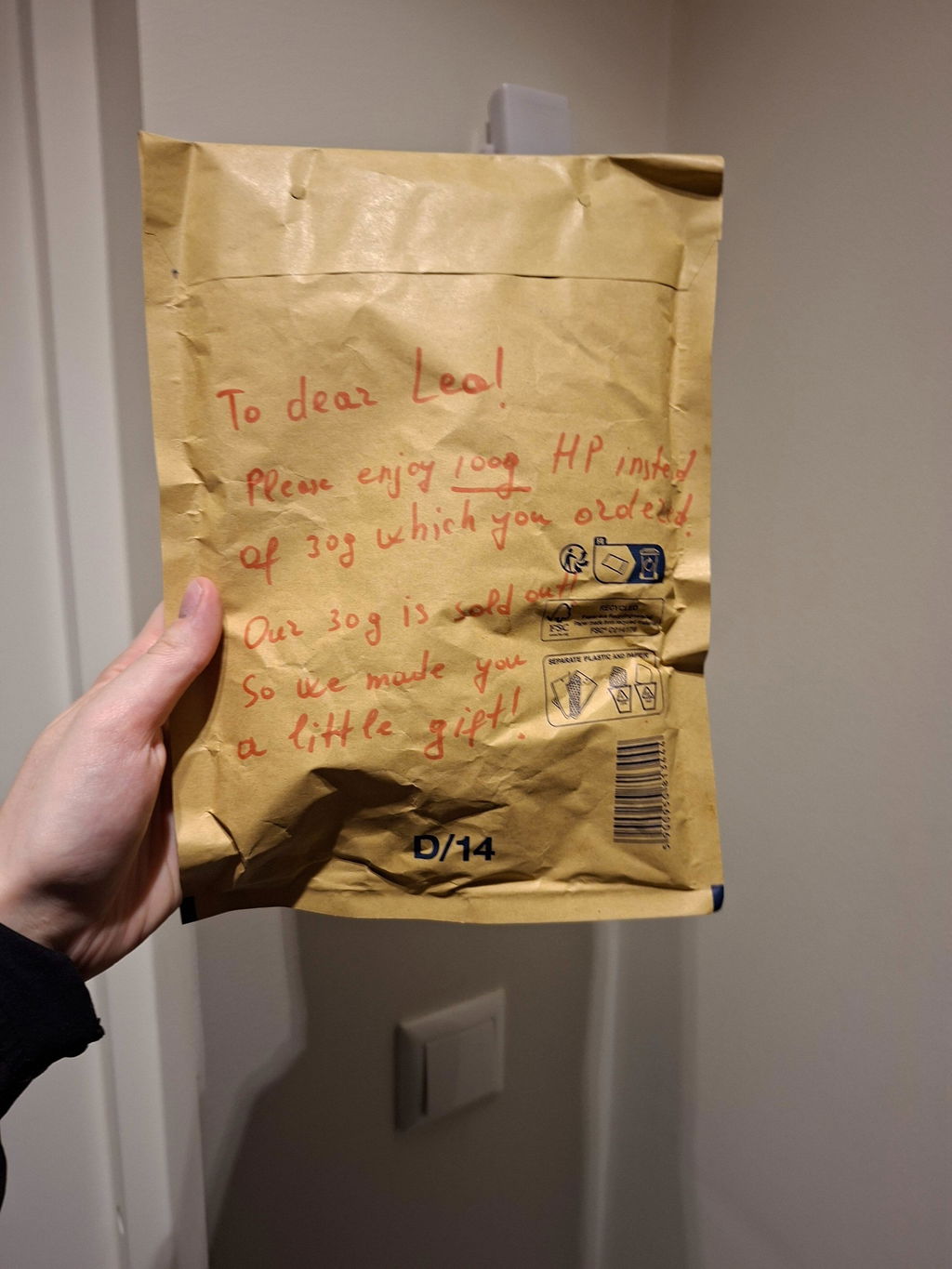
Väga meeldiv kogemus selle poega! Tarne oli äärmiselt kiire ja kaup jõudis minuni väga kiiresti. Kuigi 30 g toodet oli välja müüdud, tegi pood väga armsa žesti ja saatis mulle selle asemel lausa 100 g. Väga hea suhtlus, kiire teenindus ja maitsev toode. Jäin ostukogemusega väga rahule! 😎💖
A very pleasant experience with this shop! The delivery was extremely fast, and even though the 30 g option was sold out, the shop made a very kind gesture and sent me 100 g instead. Great communication, fast service, and a delicious product. I’m very happy with my experience!😎💖
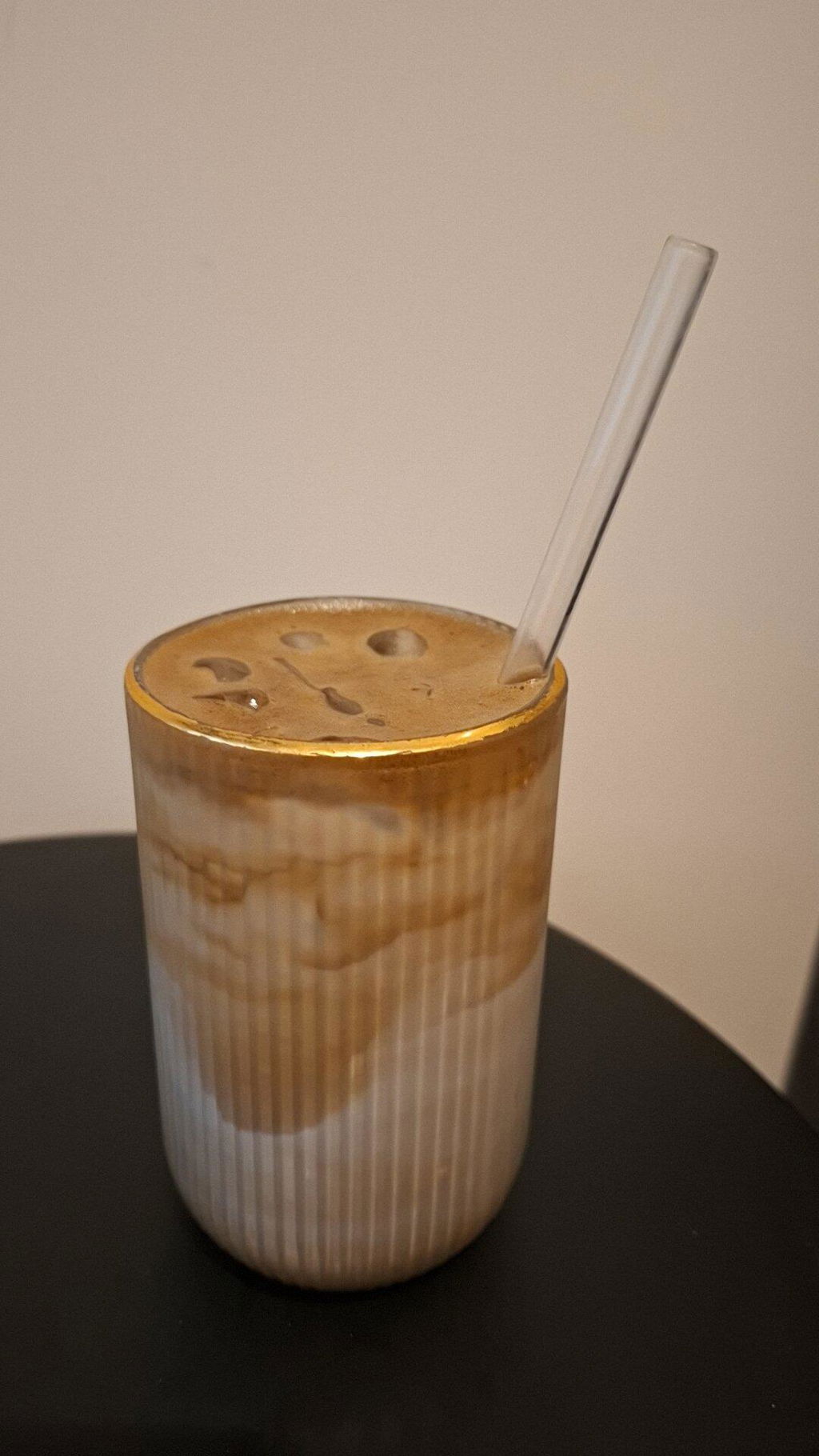
Väga hea argisem alternatiiv matchale. Suurepärane hinna ja kvaliteedi suhe.
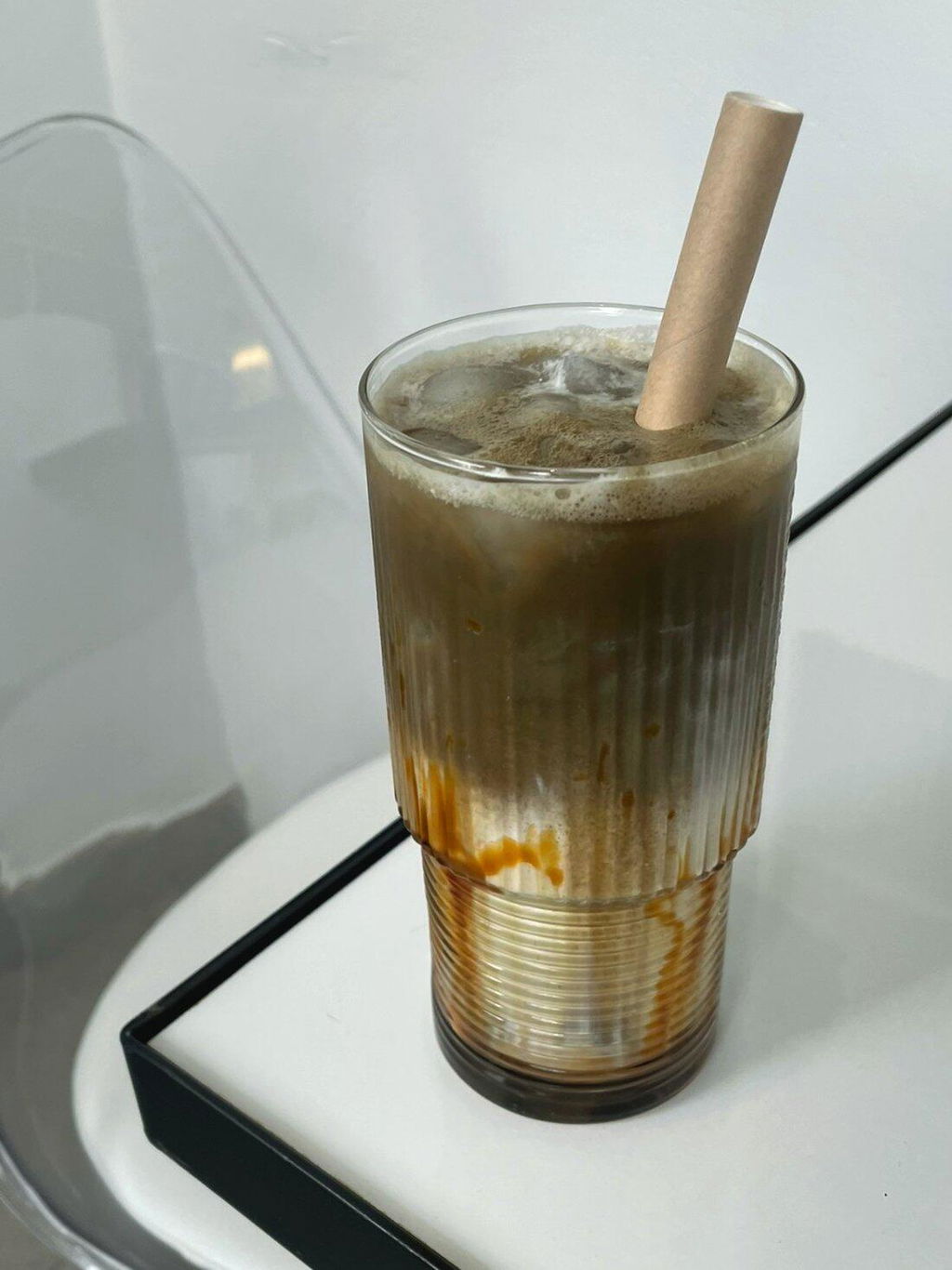
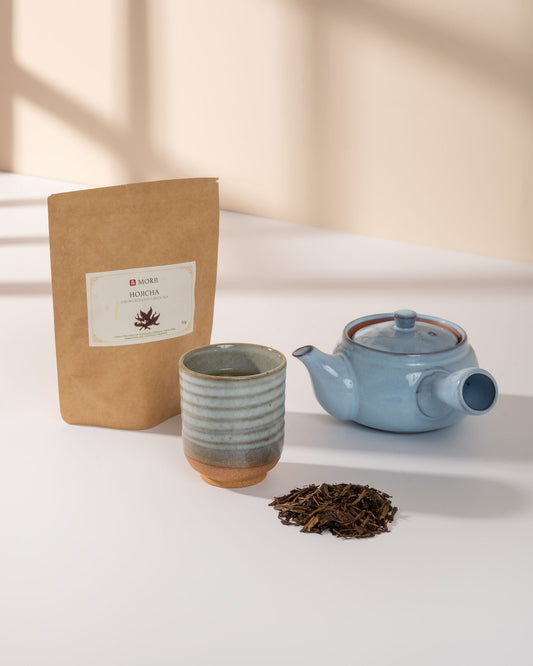
Oiiii, kuidas ma armastan seda toodet! Mu eelmine lemmik oli Hojicha tee, kuid Hojicha pulber on täiesti next level! Kui sulle meeldib kakao või Pumpkin Spice Latte, siis soovitan soojalt Hojicha pulbrit proovida! See on niii maitsev ja palju parem alternatiiv kohvijookidele! 😍
I tried hojicha with latte and loved the taste and quality. I was skeptical at first because I don’t usually try new things, but I ended up enjoying how it made me feel and how well it matched my taste.

STRAIGHT FROM THE FARM
grown in Kizugawa, Kyoto.
Every Morii tea comes from one small family farm near the Kizu River in southern Kyoto, where the same family has grown tea for four generations. Shaded, harvested and finished on the farm, then shipped directly to Tallinn.
SAVE MORE
level up with a bundle.
Two or three teas, one price — always below buying them separately.
-
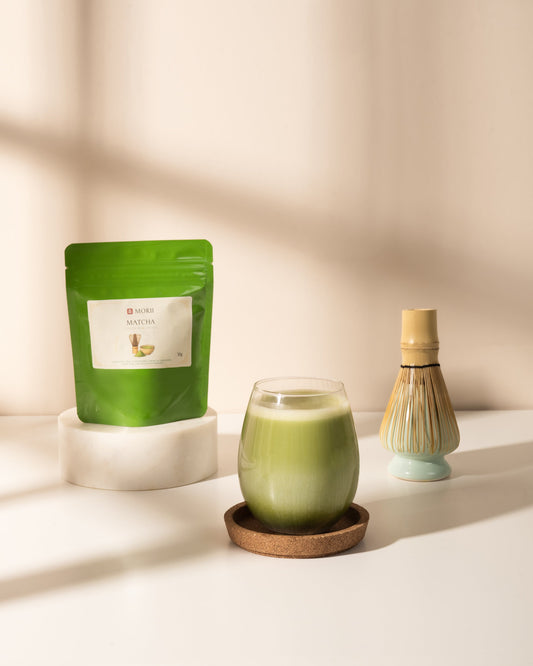
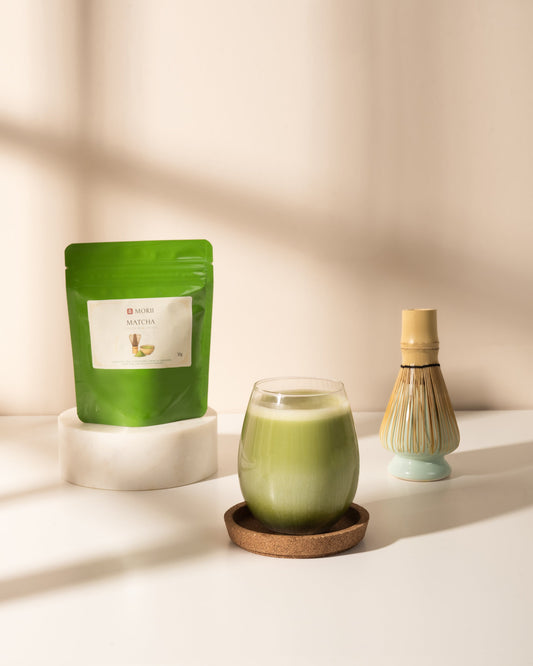
Morning Energy — Matcha + Kabusecha
Regular price From €21,60Regular price€37,90Sale price From €21,6043% OFF -
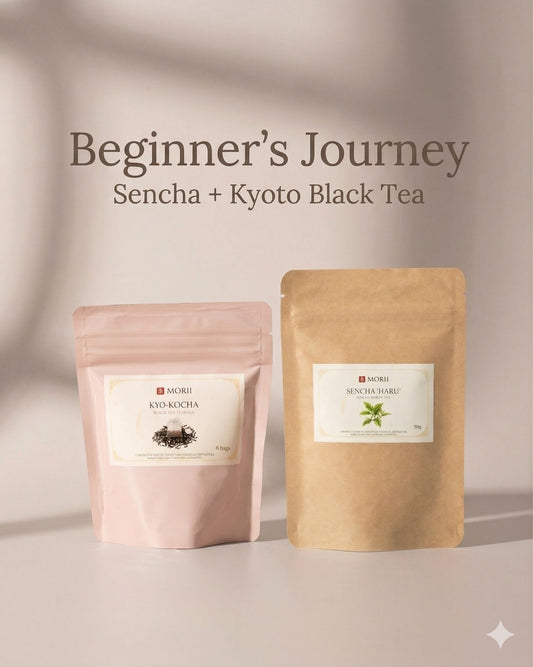
Beginner's Journey — Sencha + Kyoto Black Tea
Regular price €20,30Regular price€22,90Sale price €20,30Sold out -
AM/PM Duo — Matcha + Hojicha Powder
Regular price From €20,40Regular price€39,90Sale price From €20,4048% OFF -
Roasted Trio — Hojicha, Genmaicha + Hojicha Powder
Regular price From €29,80Regular price€36,90Sale price From €29,8019% OFF -
Taste of Kyoto — Four Loose-Leaf Teas
Regular price €39,70Regular price€44,90Sale price €39,7011% OFF -
Latte Lovers — Matcha 100 g + Hojicha Powder 100 g
Regular price €46,90Regular price€94,90Sale price €46,90Sold out